After more than 100 days of war, global energy shocks, and escalating regional conflict, the United States and Iran have reached a landmark memorandum of understanding (MOU) that both sides say will end hostilities, reopen the Strait of Hormuz, and launch a 60‑day window of nuclear and sanctions negotiations. The deal is expected to be formally signed in Geneva on June 19.
This agreement is not a final peace treaty — it’s a framework. But it is the most significant diplomatic breakthrough between Washington and Tehran in years.
🔥 WHAT THE AGREEMENT DOES IMMEDIATELY
1. A Full Ceasefire on All Fronts
Both sides have agreed to halt military operations immediately, including in Lebanon, where Iranian‑backed forces and Israel have been clashing. Iran’s Supreme National Security Council declared that “the war and military operations on all fronts… will end immediately and permanently.”
2. Reopening the Strait of Hormuz
The Strait — a chokepoint for one‑fifth of the world’s oil and gas — has been effectively closed since the conflict began. Under the agreement:
- Iran will reopen the strait to all commercial vessels
- The U.S. will lift its naval blockade on Iranian ports
President Trump celebrated the move with: “Ships of the World, start your engines. Let the oil flow!”
Markets reacted instantly: oil prices dropped and global equities surged.
💰 ECONOMIC & SANCTIONS ELEMENTS
According to Iranian and U.S. officials, the draft MOU includes major economic incentives — but only after Iran demonstrates compliance.
Key financial terms reportedly include:
- Release of $24–25 billion in frozen Iranian assets (phased, not upfront)
- Waivers on U.S. oil sanctions, allowing Iran to sell oil again
- No new U.S. sanctions until a final deal is reached
- A U.S.-led reconstruction and development plan for Iran, to be negotiated within 60 days
U.S. officials emphasize that Iran gets nothing immediately — economic relief only comes after verified compliance.
☢️ NUCLEAR PROGRAM: THE MOST SENSITIVE PIECE
The next 60 days will focus heavily on Iran’s nuclear program.
Iran’s commitments under the draft:
- Reaffirm it will never produce or acquire nuclear weapons
- Freeze its nuclear program at current levels
- Halt further uranium enrichment
- Allow the U.S. to dilute or remove enriched uranium stockpiles under a future agreement
U.S. officials say the deal “leads to the dismantling of the Iranian nuclear program” and includes a long‑term inspection regime.
Experts warn, however, that negotiations will be difficult and past attempts have collapsed over verification and missile issues.
🌍 REGIONAL & GLOBAL IMPACT
Winners (for now):
- Gulf states — Bahrain, Qatar, Kuwait, and Iraq depend on the Strait of Hormuz for exports and will see immediate economic relief.
- Global markets — Oil prices have already fallen, easing inflation pressures.
Losers (or skeptics):
- Israel — Officials say they are not bound by the deal and will continue operations against Hezbollah.
- Hardliners in both Iran and the U.S. — Many distrust the other side’s intentions and may try to derail the process.
🧭 WHAT HAPPENS NEXT?
1. Signing Ceremony — June 19, Geneva
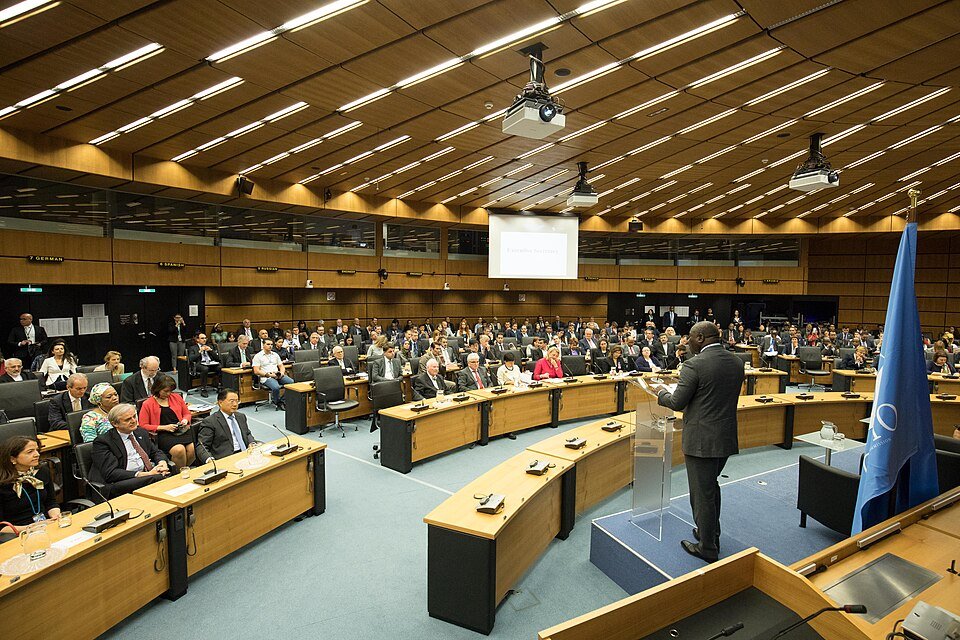
The MOU will be formally signed with U.S., Iranian, Pakistani, and Qatari officials present.
2. A 60‑Day Negotiation Sprint
Talks will cover:
- Sanctions lifting schedules
- Nuclear dismantlement
- Uranium stockpile handling
- Regional security guarantees
- Economic reconstruction plans
3. High Risk of Collapse
Analysts warn that “we have been here before” — early agreements that fall apart when details hit the table.
📝 FINAL TAKEAWAY
The U.S.–Iran agreement is historic but fragile — a ceasefire, an economic thaw, and a nuclear freeze all wrapped into a 60‑day diplomatic gamble. If it holds, it could reshape the Middle East and stabilize global energy markets. If it fails, the region could slide back into war even more violently than before.