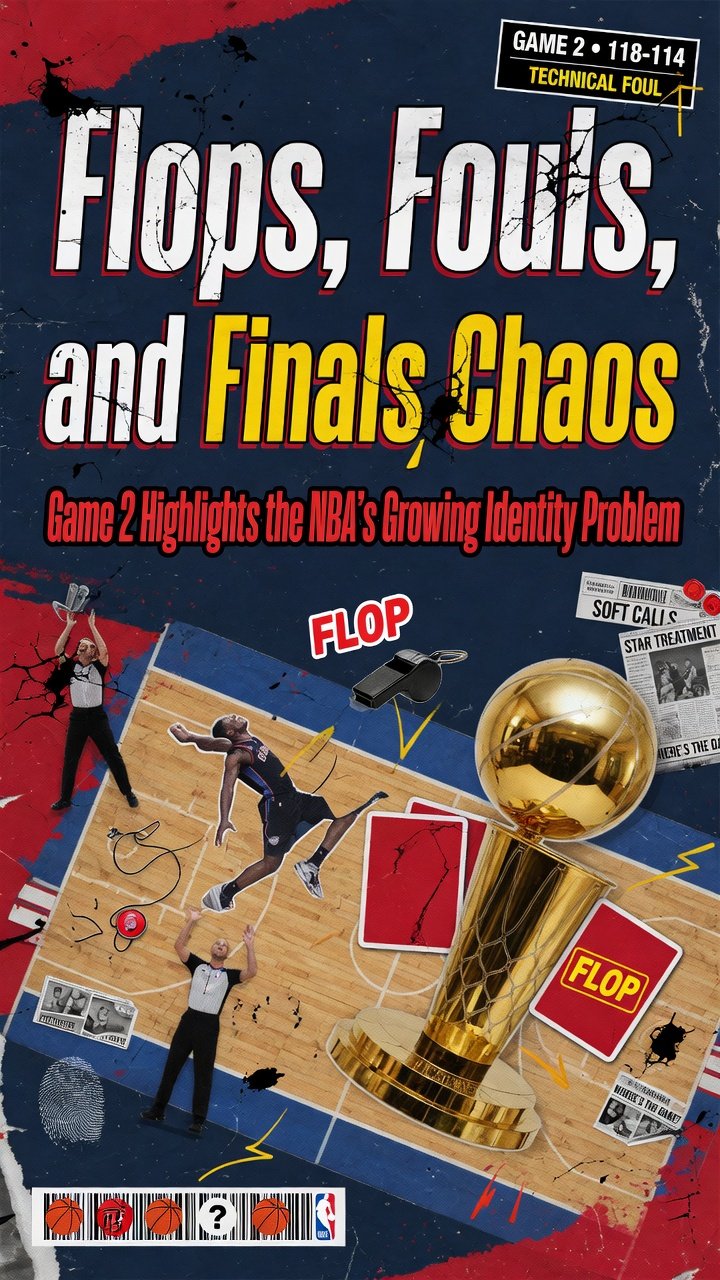
Game 2 exposed two linked problems for the NBA: a rising culture of theatrical contact and gamesmanship around flopping, and an escalation of physical play that officials are allowing to exceed the league’s usual standards — both of which shaped the Knicks’ 105–104 win and the wider Finals narrative.
Game 2 recap
The Spurs and Knicks played a tense, low-efficiency affair that ended with New York stealing Game 2 in San Antonio, 105–104, after a late turnover on a pass that hit Stephon Castle in the back and a subsequent foul on Jalen Brunson at the free‑throw line. Victor Wembanyama took responsibility for the turnover; Brunson’s alertness turned the sequence into the decisive possession.
Two-fold problem facing the NBA
1. Gamesmanship and flopping
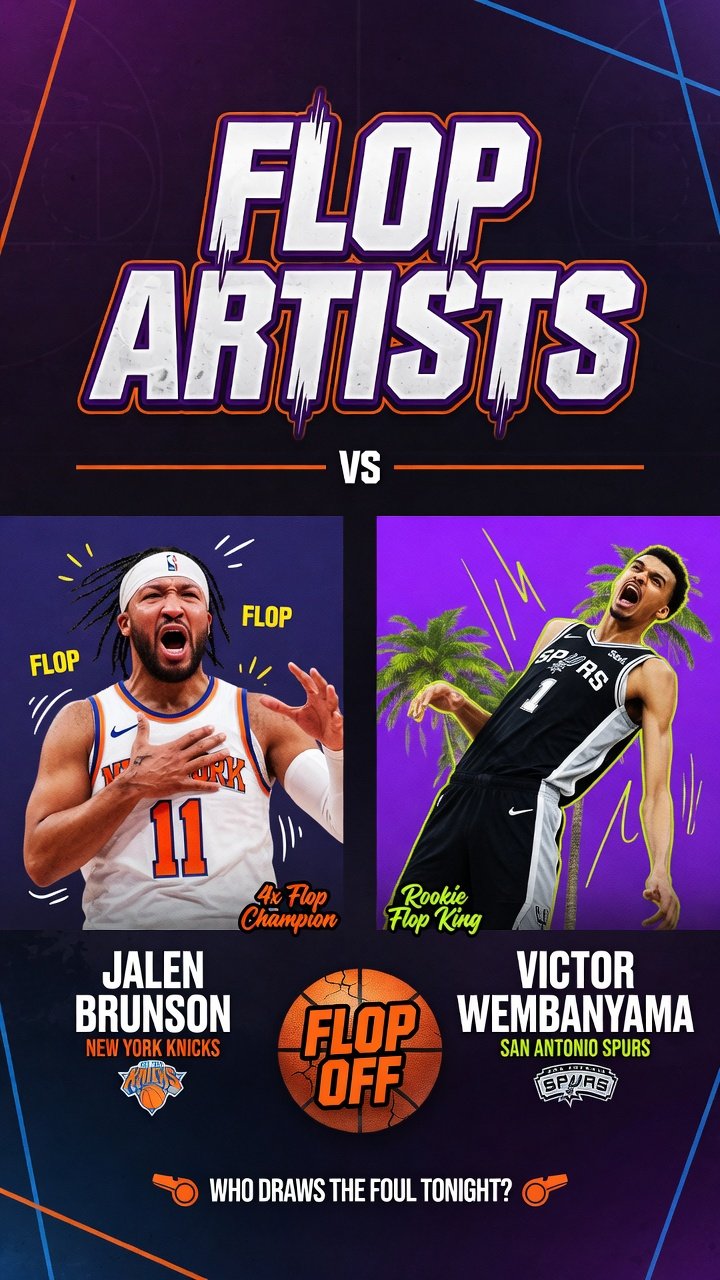
Flopping and theatrical reactions have become a recurring storyline this postseason, with players and fans calling out perceived embellishments and the league’s inconsistent enforcement. That perception matters because it changes how players attack and defend — teams sometimes play to draw whistles rather than to win cleanly on the ball. Public complaints and investigations into fan-player interactions and officiating controversies have amplified the sense that flopping is influencing outcomes.
2. Unchecked physicality
Game 2 also highlighted an elevated level of physicality — hard screens, heavy closeouts, and contact in the paint — that many observers felt officials were letting slide or calling inconsistently. Multiple outlets documented questionable calls and a perceived Spurs-leaning whistle pattern, with the Knicks arguing they were being allowed to be more physical without reciprocal enforcement. That inconsistency both fuels frustration and encourages teams to push the boundaries of legal contact.
Evidence from Game 2
- Wemby benefitted from a technical foul in his favor when he was also pushing Williams.
- Postgame and media analysis flagged inconsistent officiating across both Finals games — free‑throw disparities, missed calls on loose‑ball plays, and controversial technicals — which reinforced the sense that physicality was being unevenly policed.
Why it matters
Competitive integrity and viewer trust are at stake. When flopping and borderline physicality appear to affect outcomes, fans and players lose confidence in officiating and the product. The Finals magnify those effects because every call is scrutinized and every sequence can swing a series.
What the NBA should do
- Clarify and enforce anti‑flop rules consistently, with visible fines or warnings early in the series.
- Standardize whistle criteria for playoff crews and publish postgame explanations for pivotal calls to rebuild transparency.
- Educate players on acceptable physicality thresholds and penalize repeat offenders to deter escalation.
If the league wants the Finals to be decided by execution rather than theatrics or uneven enforcement, it must act quickly and visibly — Game 2 made that urgency plain.