Diplomacy and energy markets collide as Tehran floats a seven-day timeline and Washington says it remains open to contact — with no meeting yet on the calendar.
By The Daily Atlantic Staff
September 22, 2026
The world’s most sensitive maritime choke point is again at the center of great-power maneuvering. On Tuesday, a senior Iranian official told international reporters that Tehran could reopen the Strait of Hormuz within a week — but only if the United States eases military pressure and lifts a blockade of Iranian ports. The statement landed as leaders gathered in New York for the United Nations General Assembly, a setting that often turns into an unofficial marketplace for crisis diplomacy.
The offer is conditional, carefully worded, and deliberately timed. Iran’s message is that shipping through the strait could resume on a short timeline if Washington first signals a return to talks and takes concrete steps on the ground. Iranian officials say their UN delegation has authority to pursue diplomacy, and that a proposal to end hostilities was already passed to the United States through mediators on September 16. At the same time, Tehran has made clear that Iranian President Masoud Pezeshkian will not meet U.S. President Donald Trump at UN headquarters this week.
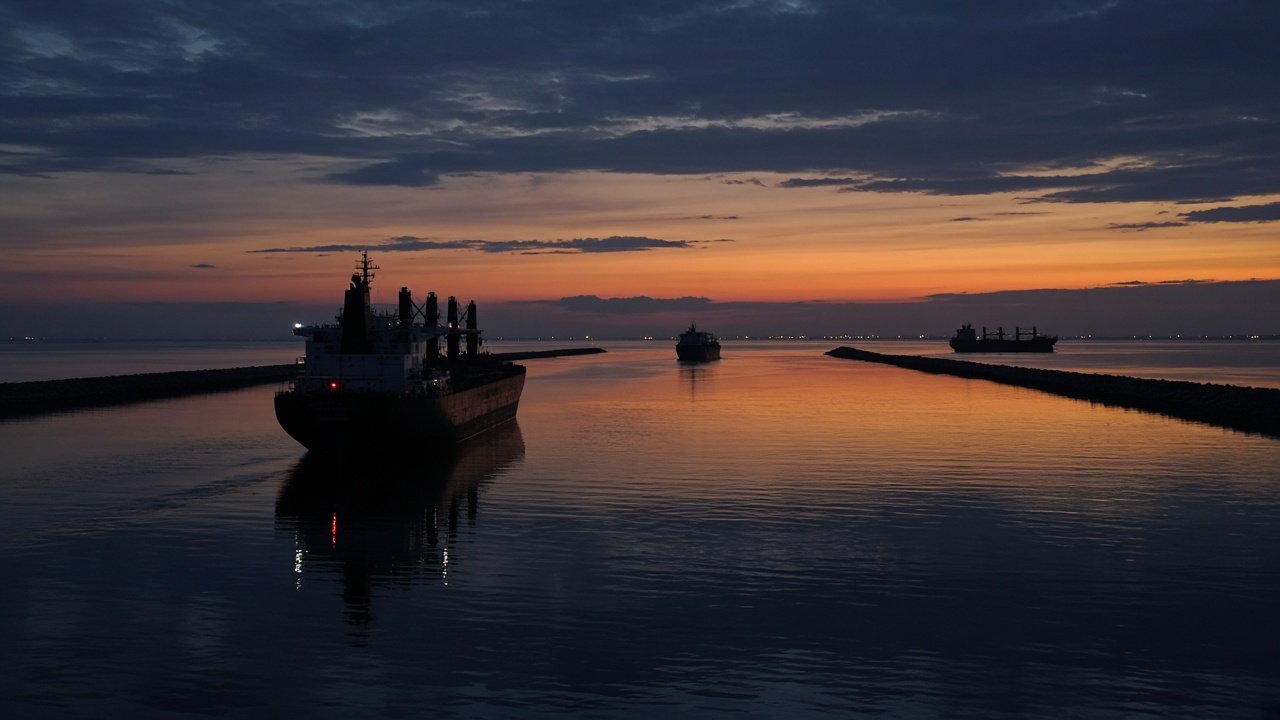
For energy traders, insurers, and navies, the strait needs little introduction. A large share of seaborne oil and liquefied natural gas moves through those waters. When traffic slows or stops, prices spike, freight rates jump, and governments scramble to reassure markets. Even the suggestion of a managed reopening can calm nerves — but only if both sides appear willing to turn a talking point into a workable sequence of steps.
Washington’s public posture on Tuesday was measured rather than celebratory. Secretary of State Marco Rubio said the United States is open to speaking with Iranian officials on the sidelines of the General Assembly, while emphasizing that no meeting is currently scheduled. U.S. officials continue to frame the core demand as preventing Iran from acquiring a nuclear weapon and insist that any return to negotiations must be made in good faith. That leaves a familiar gap: both capitals say diplomacy is possible, yet neither has announced a concrete encounter that would test whether the gap can be closed.
The backdrop is far from calm. Iranian military statements over the weekend warned that any renewed U.S. operations, especially with regional partners, would draw retaliation without limits. Reports from maritime monitoring agencies have described vessels struck by debris in the Hormuz corridor, underscoring how quickly local incidents can become global headlines. In that environment, even a tentative diplomatic channel matters — not because it guarantees peace, but because it offers an off-ramp before another escalation cycle locks in.
There is also a parallel track at the UN that will shape the week’s politics. Ukrainian President Volodymyr Zelenskiy is expected to meet Trump in New York to press for an energy-related truce with Russia as winter approaches and infrastructure attacks continue. The Iran file and the Ukraine file are not the same crisis, but they share a theme: energy security as leverage in wartime diplomacy.
Iran’s seven-day claim deserves careful reading. A week is long enough to look constructive and short enough to sound urgent. It also places the onus on Washington to make the first public move — announcing a diplomatic path and adjusting military and economic pressure. U.S. officials, for their part, are unlikely to unwind a blockade or scale back force posture without verification and reciprocal steps. Mediators will have to translate those competing red lines into something both sides can accept without appearing to blink.
Markets will watch the language as closely as the logistics. Phrases such as “eases military pressure” and “lifts its blockade” can mean different things in Tehran and Washington. Until those details emerge, the Tuesday comments are best understood as an opening bid, not a settlement. Still, the timing is not accidental. The General Assembly concentrates presidents, foreign ministers, and envoys in one city. Whether listening becomes a meeting, and whether a meeting becomes a de-escalation plan that actually restores shipping, will determine if Tuesday’s message was a genuine breakthrough attempt or another round of messaging in a grinding conflict.
For readers far from New York and the Gulf, the stakes are practical. Fuel prices, shipping delays, and insurance costs travel quickly from distant waters into household budgets. A credible diplomatic sequence would not erase years of tension overnight, but it could lower the temperature at a moment when multiple wars and energy shocks are competing for attention.
Sources: Reuters (https://www.reuters.com/world/middle-east/iran-ready-reopen-strait-hormuz-if-us-eases-military-pressure-lifts-blockade-2026-09-22/); Reuters (https://www.reuters.com/world/middle-east/us-open-meeting-iran-un-no-meeting-scheduled-yet-rubio-says-2026-09-22/); Al Jazeera (https://www.aljazeera.com/news/liveblog/2026/9/22/iran-war-live-irgc-says-us-israel-must-accept-withdrawal-from-region); Reuters (https://www.reuters.com/world/europe/zelenskiy-meet-trump-un-push-energy-truce-with-russia-2026-09-22/)